Drunken Noodles Near Me: Why Wide Rice Noodles Matter
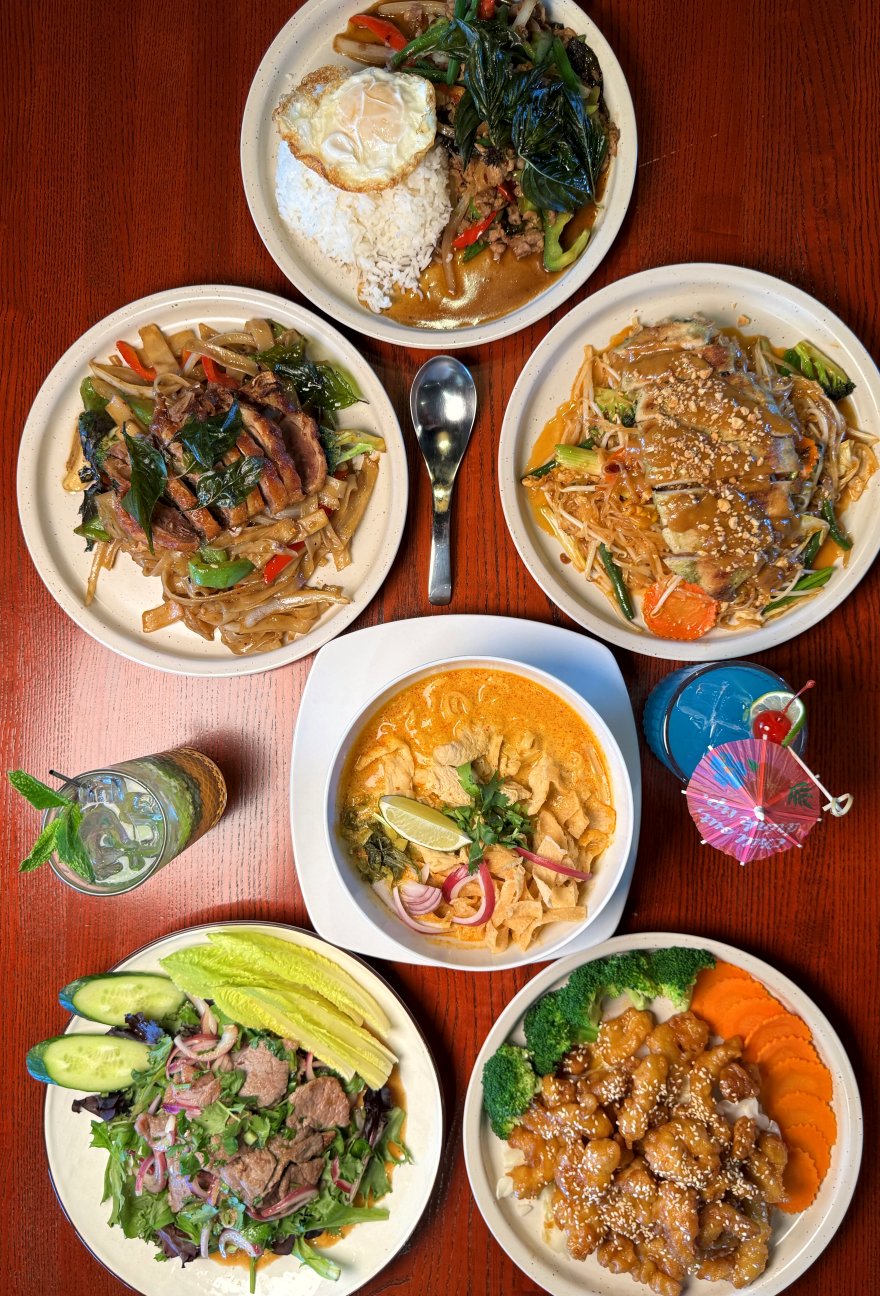
Search for "Drunken Noodles Near Me" often starts with a craving, but it usually ends with a judgment call. You are not just choosing a Thai restaurant. You are choosing a version of a dish that can swing from deeply satisfying to oddly flat depending on one detail that gets less attention than the basil, the chilies, or even the protein. That detail is the noodle.
A good Drunken Noodle lives or dies by the wide rice noodle. Not because it is traditional in some abstract sense, but because the noodle controls texture, sauce absorption, wok contact, and the overall pace of the bite. When the noodle is right, the dish has weight and movement. It folds over itself, catches char at the edges, and turns sauce into a glaze instead of a puddle. When the noodle is wrong, even a well-seasoned pan cannot quite save it.
Anyone who has eaten pad kee mao from several kitchens knows this instinctively. One plate arrives glossy and fragrant, each strand tender with just enough resistance. Another comes out with thin noodles collapsing into a salty heap, or with broken pieces that feel more like stir-fried scraps than a composed dish. Same name on the menu, very different result.
The dish is louder than it looks
Drunken Noodle, often listed under its Thai name pad kee mao, is not a delicate plate. It is fast, hot, aromatic, and slightly unruly in the best way. The flavor profile typically leans on soy-based seasoning, fish sauce, garlic, fresh chili, and Thai basil. Depending on the kitchen, you may get sweetness in the background, a touch of oyster sauce, maybe white onion, maybe baby corn, maybe tomato. The exact formula shifts from cook to cook.
What does not work well with compromise is the noodle choice. Wide rice noodles are built for this kind of cooking. They can take aggressive heat. They can stand up to forceful tossing. They hold seasoning on a broad surface without turning gummy as quickly as narrower alternatives often do. The dish asks for swagger, and wide noodles provide the physical structure for it.
That matters because Drunken Noodle is not a sauce-first dish. It is not meant to swim. It is meant to cling, sear, and coat. The noodles are not passive carriers. They are the point.
Why width changes everything
On paper, noodle width can sound like a small technical preference. At the stove, it changes almost everything.
Wide rice noodles create more contact with the wok. That means more opportunity for blistering and caramelized edges, the bits many diners describe as smoky or savory even if they cannot quite name why. In a busy kitchen with serious heat, those slight scorched spots are a major part of the appeal. They add contrast to a noodle that would otherwise be only soft.
The width also changes chew. A broad rice noodle offers a layered texture, especially when fresh. The center stays supple while the outer surface grips the sauce. Thin noodles tend to eat faster and flatter. They disappear too quickly on the tongue. Wide noodles linger for half a second longer, and that extra moment is where the basil, garlic, chili, and savory seasoning register as a single bite rather than separate impressions.
There is also a practical reason cooks favor them. Wide noodles are more forgiving when paired with vegetables that release moisture. Bell peppers, onions, and tomatoes can push steam into the pan. A broad noodle still feels substantial in that environment. A thinner noodle often veers toward slick or soggy, particularly during takeout.
I have watched line cooks handle both styles in high-volume service. The difference is obvious. With wide noodles, they can toss decisively, push hard against the wok, and let the sauce reduce quickly. With thinner noodles, they often have to baby the pan to avoid tearing, clumping, or overcooking. That caution changes the final dish.
Fresh versus dried, and why it matters when you order
Not every restaurant uses the same noodle supply. Some work with fresh rice noodles delivered locally, usually in sheets or pre-cut strips. Others rely on dried noodles, soaked and par-cooked before the rush. Both can produce a good plate, but they do not behave the same way.
Fresh wide rice noodles usually have the best texture for Drunken Noodle. They are softer at the outset, more elastic, and better at taking on wok aroma without turning brittle. When they hit a hot pan, they loosen, blister, and bend with very little resistance. The mouthfeel tends to be silkier and fuller.
Dried wide rice noodles can still work, especially in skilled hands, but the margin for error is tighter. Slight under-soaking leaves a chalky center. Slight overcooking makes them fragile. Once sauce goes in, the difference becomes more pronounced. Dried noodles often absorb more liquid but do not always hold the same luxurious chew.
For the diner searching "Drunken Noodles Near Me," this is useful because the best clue may not be in the menu description. It may be in the look of the noodles on review photos. Fresh wide noodles often appear irregular and ribbon-like, with a soft shine and occasional folds. Dried versions can look more uniform and flatter. Neither appearance alone guarantees quality, but it gives you a starting point.
The sauce behaves differently on wide noodles
People often talk about spice first, but the real benchmark of a strong Drunken Noodle is sauce management. You want enough seasoning to coat every strand, but not so much that the noodles stew in it. Wide rice noodles excel here because they carry sauce in a thin film rather than absorbing it all inward at once.
That broad surface acts almost like a skillet for flavor. Garlic oil, fish sauce, soy, and rendered juices from chicken, beef, or shrimp spread across the noodle, then tighten under heat. The result is a sheen. On a proper plate, you should see gloss, not soup.
This is one reason takeout versions vary so much. Wide noodles hold up better in a closed container than many alternatives, but only if the cook has reduced the sauce enough before boxing it. If the container pools liquid at the bottom, the noodles continue steaming and soften beyond repair. If the sauce was already balanced in the wok, the dish arrives much closer to its ideal state.
A quick visual check tells you a lot. If the noodles clump into a stiff brick, they may be under-oiled or overcooled. If they slide around in dark liquid, the seasoning was not cooked down enough. The sweet spot is somewhere in the middle, loose but cohesive, glossy but not wet.
What wide noodles do for heat and basil
Heat in Drunken Noodle should feel integrated, not just sprinkled on top. Wide noodles help distribute chili and basil more evenly through the dish. Their folds trap small pieces of garlic and slices of chili. Their surface catches basil oil as the leaves wilt. That means each bite can carry some of the dish's main signals rather than leaving all the intensity at the bottom of the plate.
Thai basil especially needs a partner with enough body to support its perfume. Its licorice-like edge can get lost with thin noodles, especially if the sauce skews sweet. Wide noodles slow things down. They give the basil room to bloom in the mouth rather than flash by.
This is also why heat levels can feel different from restaurant to restaurant. A medium-spice order tossed with wide fresh noodles may taste balanced and aromatic. The same seasoning with a thinner noodle may land harder and less gracefully because the starch does not cushion it the same way. Diners often blame the cook for inconsistency when the noodle is doing half the work.
When the wrong noodle shows up
A restaurant can call a dish Drunken Noodle and still miss the mark if the noodle choice is off. Sometimes that is a substitution issue. Sometimes it is a supply problem. Sometimes the kitchen is tuning the dish for a broader audience and chooses a noodle that is easier to store or easier for staff to manage during service.
The most common problems look like this:
- thin rice noodles that make the dish feel more like a spicy pad thai without peanuts
- broken or stubby pieces that suggest the noodles were handled too roughly
- noodles so soft they fuse together before the plate reaches the table
- noodles that are under-sauced in spots and over-sauced in others
- a dish overloaded with vegetables because the noodle itself lacks presence
None of those flaws are merely cosmetic. They affect how the dish eats from first bite to last. Drunken Noodle should feel generous and forceful. Wrong noodles make it feel compromised.
How to tell if a restaurant takes the dish seriously
You do not need a chef's background to spot a kitchen that respects Drunken Noodle. A few signs show up quickly, both online and in person.
First, look at the menu language. Restaurants that distinguish between pad see ew, pad kee mao, and other noodle dishes with some care often understand that noodle shape and sauce style are not interchangeable. Vague or recycled descriptions can be a warning sign, though not always.
Second, study customer photos. You are looking for width, yes, but also for edge color and separation. Good Drunken Noodle should have ribbons, not shreds. You want to see some irregularity, a little browning, and basil that still looks vibrant enough to smell.
Third, pay attention to how the staff answers a basic noodle question. If you ask whether the dish uses wide rice noodles and they answer immediately, that is a positive sign. If the answer is hesitant, or they suggest swapping in any noodle with no mention of texture, the kitchen may treat the dish as modular when it should be specific.
Fourth, consider volume. A restaurant that moves a lot of noodle dishes often handles fresh noodles better because there is less dead time for them to dry out or clump. This is not a hard rule, but busy Thai kitchens often have an advantage with wok timing.
The takeout test
Drunken Noodle is one of those dishes that can survive travel, but only to a point. Wide rice noodles are the reason it has any chance at all. Even then, the clock starts immediately.
If you are ordering takeout from a place that comes up under "Drunken Noodles Near Me," aim to eat within 15 to 25 minutes if possible. Much beyond that, trapped steam starts to dull the texture. The noodle loses some of its seared edge, and basil darkens. That does not make the dish bad, but it does move it away from its ideal form.
There are a few ways to improve your odds:
- choose a restaurant within a short delivery radius
- request sauce balanced for takeout if the restaurant allows notes
- reheat briefly in a hot pan, not a microwave, if the noodles arrive clumped
- avoid adding extra sauce at home before tasting
- eat it from a plate or bowl, not straight from the container, so excess steam can escape
That last point is underrated. The container keeps cooking the noodles. A simple transfer can preserve texture better than most people realize.
Protein choices and how they interact with the noodle
Wide rice noodles matter even more when you think about protein. Chicken, beef, shrimp, tofu, and mixed seafood all bring different moisture levels and cooking times. A strong noodle needs to absorb those variables without getting lost.
Chicken is common because it cooks quickly and does not flood the pan. With wide noodles, it creates a balanced bite where neither component dominates. Beef works beautifully too, especially if the slices are thin and the pan heat is high enough to char the edges. The savory depth of beef pairs especially well with the smoky notes wide noodles can develop.
Shrimp is trickier. It adds sweetness and moisture, which can make the sauce feel looser. Wide noodles handle that better than thin ones, but the cook still has to reduce aggressively. Tofu can be excellent, though it requires a careful hand. If the tofu is very soft and the noodles are overcooked, the whole dish can drift toward mush. When both are well managed, you get a satisfying contrast between crisp-edged tofu and supple noodles.
Mixed proteins sound generous on the menu, but they can produce a crowded pan. That raises the risk of steaming instead of searing. In my experience, simpler protein choices often lead to a better Drunken Noodle because the wide noodles get more direct heat and more room to move.
The role of wok heat, and why the noodle needs to be sturdy
Many diners describe a memorable Drunken Noodle as smoky, but "smoky" is often shorthand for wok hei, the savory aroma and slight char that come from cooking at intense heat. This is where wide noodles really prove their value.
A broad noodle can handle contact with hot metal long enough to gain color without instantly breaking down. That is not true of every noodle shape. Some become brittle. Some stick too quickly. Some soften before they can blister. Wide rice noodles sit in a useful middle ground. They are tender, but not fragile when treated properly.
Restaurant stoves matter here. A powerful burner gives a cook seconds to create complexity. A weak burner forces longer cooking, which often https://www.google.com/maps?cid=10337779433515689724 means softer noodles and muddier basil. Home cooks know this frustration well. Many home versions taste good, but they often lack the dry, seared quality of a restaurant pan. When you find a local place whose Drunken Noodle still tastes lively and charred after the noodles meet the sauce, keep that address.
Regional variation and menu reality
Thai food in the United States, the United Kingdom, Australia, and elsewhere often reflects local supply chains and diner expectations. So while wide rice noodles are central to the best versions of Drunken Noodle, you may encounter substitutions for reasons that are not entirely culinary. Fresh noodles can be harder to source. Labor can be tight. Kitchens may standardize several dishes around one noodle to reduce waste.
That does not automatically disqualify a restaurant. A skilled cook can still produce a respectable plate with dried wide noodles or a slightly different cut. But there is a difference between adaptation and drift. If the dish loses its broad, slippery, slightly chewy backbone, it starts becoming something else.
This is where professional judgment matters more than strict dogma. Not every plate must look identical. Some cooks push more chili, some more basil, some more soy depth. Some include vegetables that another kitchen would skip. Those choices can still sit comfortably within the range of a good Drunken Noodle. The noodle itself is the one element with the least room for casual substitution.
If you are comparing two local spots
When two nearby restaurants both offer Drunken Noodle, price and spice level are usually the first comparison points. They should not be the only ones. I would weigh the noodle quality just as heavily, because it tells you how the whole dish is built.
A slightly more expensive plate made with fresh wide noodles and proper wok heat will usually eat better than a cheaper, overfilled box of thin noodles and sugary sauce. Portion size can be deceptive here. Wide noodles feel more substantial, so a plate may look less crowded while actually delivering a more satisfying meal.
I have had excellent versions in small strip-mall restaurants, polished urban dining rooms, and family-run takeout spots with barely any seating. The common thread was not décor or menu length. It was confidence at the wok and respect for the noodle.
Why this one detail changes your search results
Typing "Drunken Noodles Near Me" into a search bar seems simple, but what you really want is not just proximity. You want a kitchen that understands how the dish should land. Wide rice noodles are the clearest sign of that understanding because they affect every part of the plate, from chew and char to sauce balance and basil aroma.
If you have ever wondered why one Drunken Noodle keeps you going back while another feels forgettable, start with the noodle. Not the chili count. Not the garnish. Not whether the portion was huge. Look at the width, the texture, the gloss, and the way the strands hold together without collapsing. That is where the dish reveals itself.
A proper Drunken Noodle should feel immediate and confident. It should arrive smelling of basil and hot pan, with noodles broad enough to carry the whole argument of the dish in a single bite. When those noodles are right, the rest has a chance to sing. When they are not, the dish may still be edible, even enjoyable, but it will never quite be what it promised.
Nakhon Luang Thai Kitchen
Address: 805 Village Center Dr, Colorado Springs, CO 80919
Phone number: +17195315175
FAQ About Drunken Noodles Near Me
What makes it drunken noodles?
Drunken noodles, or Pad Kee Mao, get their name from the Thai word khi mao (meaning "drunkard"). They contain no alcohol. The name comes from the idea that the dish is a popular late-night meal to cure a hangover or a great food to eat with a cold beer.
What is the difference between pad see ew and drunken noodles?
While both Pad See Ew and Drunken Noodles use the same wide rice noodles, Pad See Ew is a mild, sweet-savory dish made with dark soy sauce and Chinese broccoli, whereas Drunken Noodles (Pad Kee Mao) are fiery, garlicky, and herbaceous with fresh chilies and Thai basil.
What are traditional drunken noodles?
Traditional drunken noodles, known as Pad Kee Mao in Thai, are a fiery, savory street food stir-fry made with wide flat rice noodles, fresh garlic, lots of hot chilies, meat or tofu, and fragrant holy basil. Despite the name, they contain no alcohol; the dish is traditionally eaten late at night or as a hangover cure because the intense spice helps clear the head.